


AI-powered Bioluminescence: Lighting Up Ocean Conservation Efforts
July 22, 2023 | by Tarun Jain
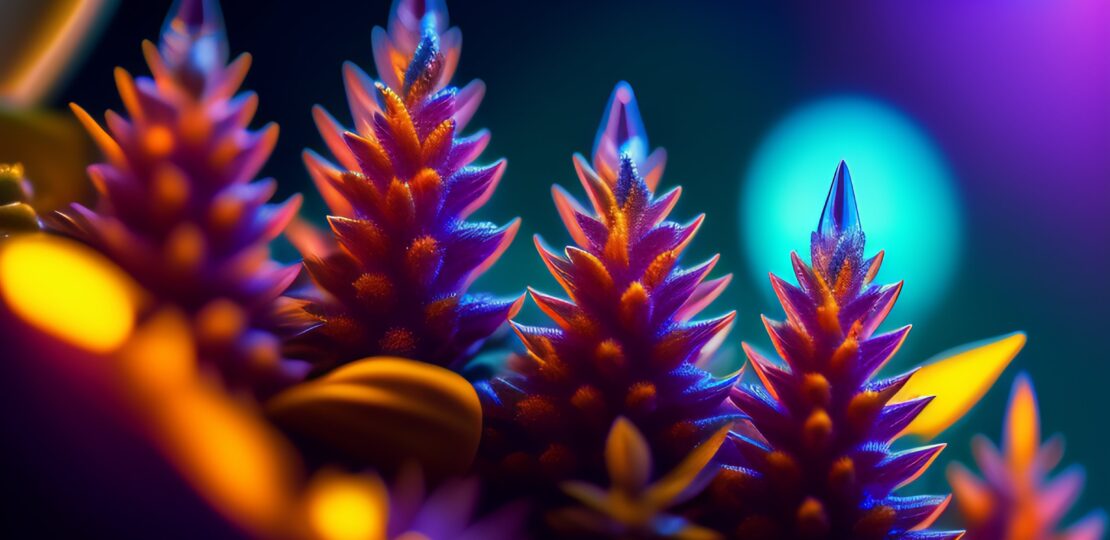
Welcome aboard fellow wanderers of the deep digital sea and the actual sea (well, the ocean really, but it doesn’t rhyme, does it?) Today, we’re setting sail on the S.S. Nemo to explore the gleaming junction where the glowing beauty of bioluminescence intersects with the brilliance of Artificial Intelligence. Now, fasten your mental life-jackets, and let’s dive right in!
A Twinkle in the Ocean’s Eye
The first time you witness bioluminescence, it feels like you’re caught in an enchanting snow globe filled with tiny, living fairy lights. From microscopic plankton to giant squids, nature’s got its underwater rave going on! But besides being absolutely mesmerizing, these living lights tell tales of the ocean’s health. And that’s where our silicon-brained buddy, AI, enters the scene, like a knight wearing shining armor (or LED lights?)
Shedding (Artificial) Light on Natural Light
The world beneath the waves is vast, mysterious, and, let’s face it, a bit wet for a comprehensive manual study. Here’s where AI is as essential as the oxygen tank in your diving gear.
Picture an AI model as an over-caffeinated, multi-tasking marine biologist who never sleeps. This AI, or let’s call it our ‘Bio-Bot’, trawls through hours of underwater footage, separating the glowing plankton from, say, the iridescent gleam of a Mantis Shrimp’s claw. The Bio-Bot compiles and analyzes this data at a speed that would make a cheetah blush!
Glowing Signs
Bioluminescent creatures aren’t just throwing these lights for an undersea party. They’re communicating, mating, hunting, and sending SOS signals. Changes in their glow patterns can indicate shifts in ocean temperature, pollution levels, and even signal the onset of natural disasters.
Imagine AI as an underwater Sherlock Holmes, deducing critical patterns from the dancing lights. It could predict the blooming of harmful algal blooms (known to us sea dogs as ‘red tides’), or the arrival of a disruptive invasive species, or even foresee a tsunami! Elementary, my dear Watson? More like revolutionary!
Bright Future, Brighter Oceans
Now let’s dare to dream a little. We know that several marine species use bioluminescence to lure prey. What if we could use AI to interpret this ‘light bait’ pattern and design environmentally friendly fishing techniques that target specific species, reducing bycatch?
Or perhaps, AI can help create ‘biomimicry lamps,’ artificial light sources for our cities inspired by bioluminescent organisms, saving energy while lighting our lives the way nature intended.
As we surface back from our digital dive, it’s clear that when AI meets bioluminescence, it’s not just a ‘flash’ in the pan. It promises to illuminate our understanding of marine ecosystems, helping us protect and preserve them for generations to come.
So, while we may not be able to speak to dolphins yet (AI’s working on it, I promise), we’re on our way to understanding the silent, glowing conversations of the ocean’s depths. And perhaps, we’ll learn more than just about the ocean. As above, so below, right?
Before we drop the anchor on this blog, let’s remember, the ocean’s bioluminescent language of light is as much a part of this world as we are. Our goal should not just be to decode it, but to respect and conserve it. After all, we are all just travellers privileged enough to witness this magical light show.
So, here’s to an ocean that continues to glow with life, and the hope that our actions, fuelled by AI, will ensure that the only ‘lights out’ in the ocean are when the sun sets and our bioluminescent friends get their time to shine.
Keep your lights bright and your hearts light, my friends, till we meet again on another deep dive!
RELATED POSTS
View all

Coral Cities Under Siege: A Tale of Survival in the Face of Climate Change
July 13, 2023 | by Tarun Jain

Diving into AI: When Scuba Met Silicon
January 22, 2023 | by Tarun Jain
 Photo by Andrea De Santis on Unsplash
The Future of Small Business: AI-Powered Personalized Assistants
July 22, 2023 | by Tarun Jain